
Home Office Desk Setup Guide – Ergonomics and Space-Saving SolutionsCreating a comfortable and efficient home office has become essential for many people. Whether you work from home full-time, need a dedicated study area for kids, or simply want a functional workspace, the right desk setup can dramatically improve productivity, posture, and overall comfort.In this complete guide, we cover how to choose the right desk, ergonomic principles, space-saving solutions, and practical tips to help you build a home office that works well for your needs and your room.Why a Good Home Office Setup Matters
A poorly designed workspace can lead to:
You can find a wide selection of desks, ergonomic chairs, and office furniture by browsing our Desks category and Home Office Furniture category.Interior Design Tip
Even in small spaces, try to create a clear visual separation between your work area and living area. A rug, room divider, or different lighting can help define the workspace.Disclaimer
The information in this buyer’s guide is for educational and informational purposes only. It is not intended to replace professional ergonomic or interior design advice. Prolonged sitting or poor posture can cause health issues. Consider consulting an ergonomics specialist or healthcare provider if you have existing pain or discomfort. Individual results and suitability may vary.Ready to Create Your Ideal Home Office?
Browse our Desks category today for quality desks and ergonomic office furniture. We focus on linking you to the best current deals from trusted retailers so you can build a comfortable and productive workspace.
A poorly designed workspace can lead to:
- Back, neck, and wrist pain
- Reduced focus and productivity
- Cluttered rooms that feel stressful
- Inefficient use of limited space
- Desk Height and Size
- Standard desk height is 29–30 inches.
- Your elbows should be at a 90-degree angle when typing.
- Choose a desk width that fits your room and equipment (minimum 48 inches for most people).
- Chair Selection
- Look for adjustable height, good lumbar support, and armrests.
- The chair should allow your feet to rest flat on the floor with knees at 90 degrees.
- Monitor and Screen Placement
- Top of the screen should be at or slightly below eye level.
- Keep the screen about an arm’s length away to reduce eye strain.
- Lighting
- Use a combination of ambient room light and a task lamp to avoid glare on screens.
- Wall-Mounted or Floating Desks: Great for small rooms as they free up floor space.
- Fold-Down or Murphy Desks: Can be folded away when not in use.
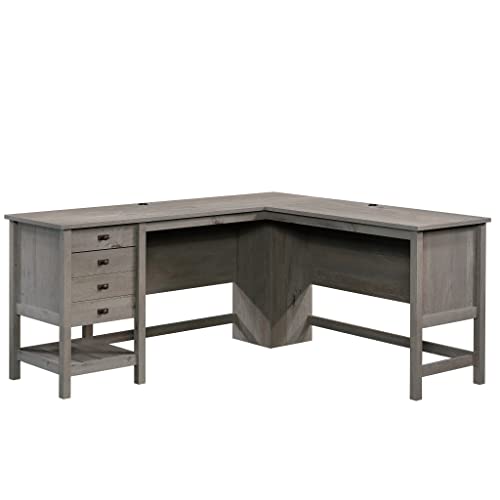
- L-Shaped Desks: Maximize corner space and provide separate areas for computer work and writing.
- Small Writing Desks: Ideal for tight spaces or secondary workspaces.
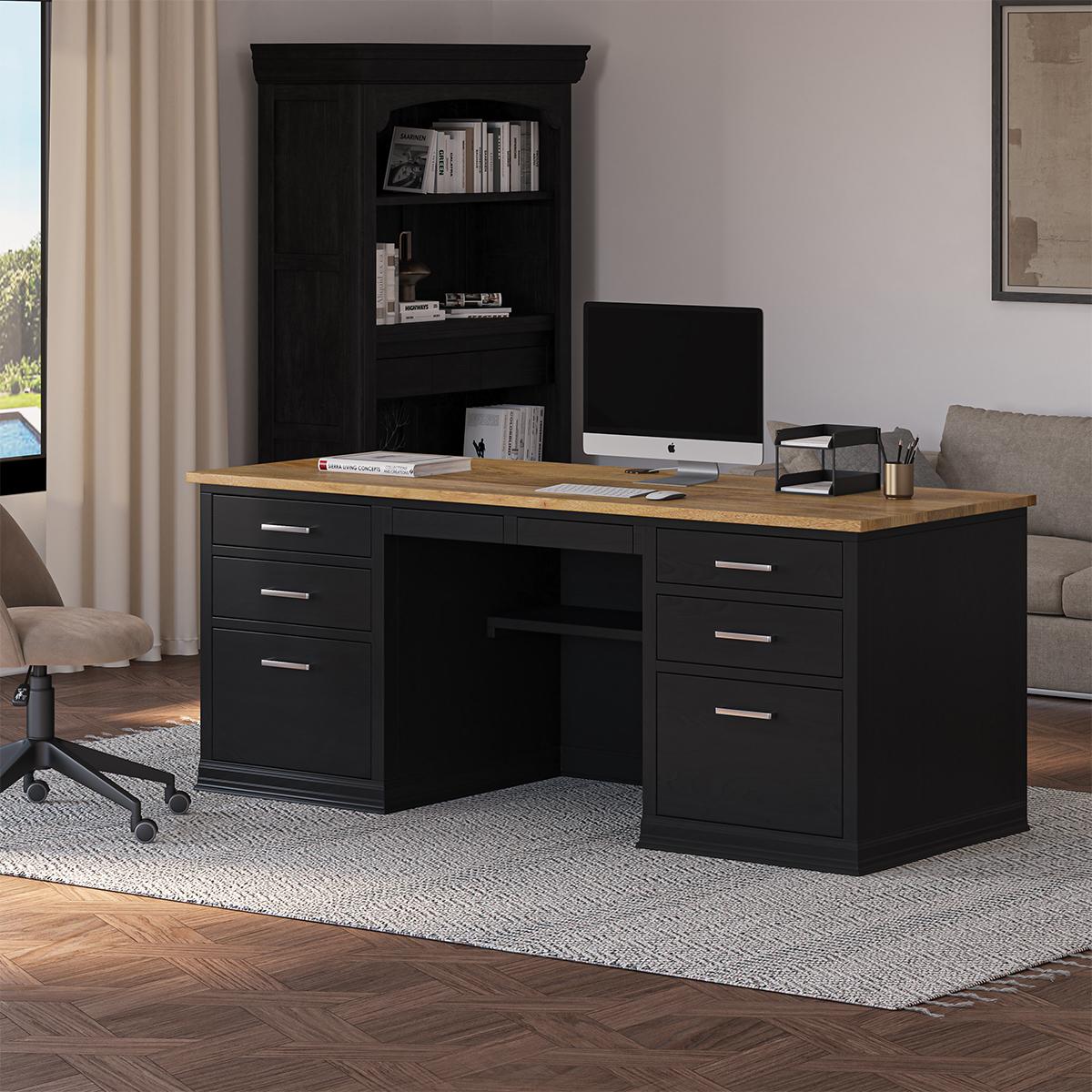
- Executive Desks: Larger, traditional style with storage drawers.
- Computer Desks: Designed with cable management and monitor stands.
- Standing / Adjustable Height Desks: Allow you to alternate between sitting and standing.
- Writing Desks: Minimalist and elegant for smaller rooms.
- Place the desk near a window for natural light, but avoid direct glare on screens.
- Use cable management solutions to keep cords tidy.
- Add plants or personal items to make the space feel less clinical.
- Ensure you have enough storage (drawers, shelves, or filing cabinets) to keep the desk surface clear.
You can find a wide selection of desks, ergonomic chairs, and office furniture by browsing our Desks category and Home Office Furniture category.Interior Design Tip
Even in small spaces, try to create a clear visual separation between your work area and living area. A rug, room divider, or different lighting can help define the workspace.Disclaimer
The information in this buyer’s guide is for educational and informational purposes only. It is not intended to replace professional ergonomic or interior design advice. Prolonged sitting or poor posture can cause health issues. Consider consulting an ergonomics specialist or healthcare provider if you have existing pain or discomfort. Individual results and suitability may vary.Ready to Create Your Ideal Home Office?
Browse our Desks category today for quality desks and ergonomic office furniture. We focus on linking you to the best current deals from trusted retailers so you can build a comfortable and productive workspace.